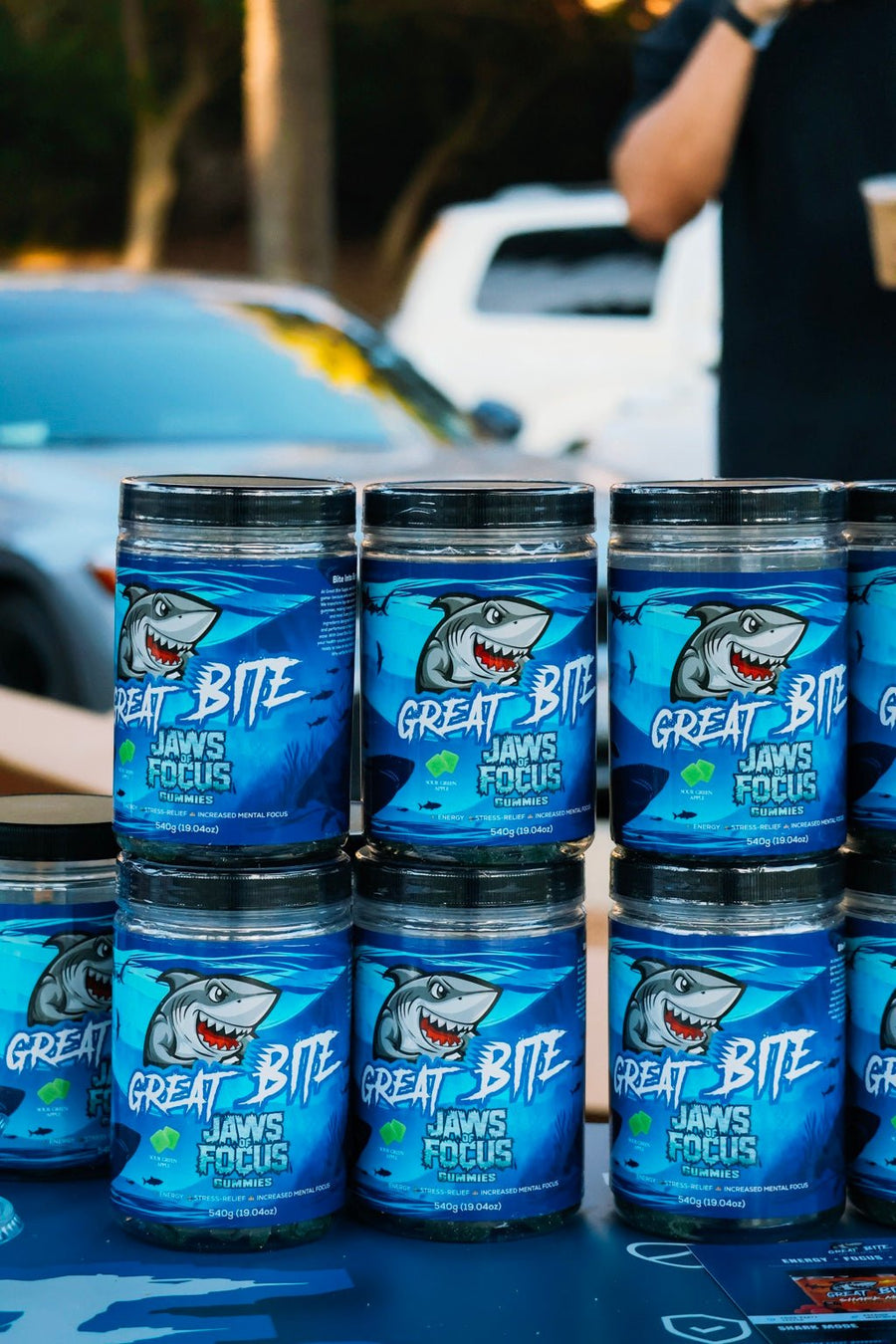

How to Maximize Focus with Memory Gummies: Step‑by‑Step Guide
Science-backed insights, practical wellness guidance, and smarter ways to support your daily routine.

Ever felt like your brain was a busy highway and your thoughts were stuck in traffic?
Do you wake up, juggle emails, hit a wall mid‑project, and wonder if you’re just not sharp enough?
What if a tiny gummy could help you cut through that mental fog and keep your focus steady, no matter how packed your day feels?
I’ve watched classmates cram for finals, project managers sprint through deadlines, and designers chase inspiration, all scrambling for the same edge: clearer memory and sharper concentration.
One simple routine I recommend starts with a quick mental check: set a timer for 90 minutes, grab a memory‑boosting gummy, and let the natural nootropic blend do its work while you tackle the most demanding task. You’ll notice the subtle lift in recall, the smoother flow of ideas, and the ability to switch gears without that usual “brain freeze.”
Research shows that ingredients like bacopa, phosphatidylserine, and omega‑3s work together to support synaptic plasticity—the brain’s way of sharpening memory pathways.
In a 2026 study on busy adults, participants who added a daily gummy reported a 15% improvement in task recall and a noticeable drop in cognitive fatigue after just two weeks.
Try the Memory Boost Gummies for a single‑dose solution that fits your lunchbox, gym bag, or office drawer. Pair it with a balanced diet, regular sleep, and a quick walk, and you’ll build a triple‑layer defense against brain fog.
For those who want a holistic approach—combining supplements with personalized coaching—check out XLR8well, where health experts design programs that complement your cognitive goals.
Step 1: Choose a time of day when you’re most alert—morning or early afternoon. Step 2: Consistently take one gummy with a glass of water. Step 3: Track your memory performance with a simple journal or app, noting how many facts you recall before and after the gummy. This simple log turns curiosity into measurable progress.
Remember, memory is like a muscle—you train it, you strengthen it. Adding a tiny, science‑backed gummy is a low‑effort, high‑reward tweak. If you’re ready to feel that clarity ripple through your day, give it a try.
TL;DR
Memory gummies blend botanicals like bacopa, phosphatidylserine, and omega‑3s to fine‑tune your brain’s synaptic wiring, giving busy pros and students sharper recall without the daily hassle of pills. Add one gummy to your daily routine, pair it with balanced sleep and quick walks, and feel clarity ripple through your day.
Step 1: Research the Ingredients and Claims
Ever wonder why some gummies promise a memory boost while others feel like wishful thinking? The difference often starts with the science behind the ingredients. If you’re about to make a purchase, the first step is to look beyond the packaging and dig into the label.
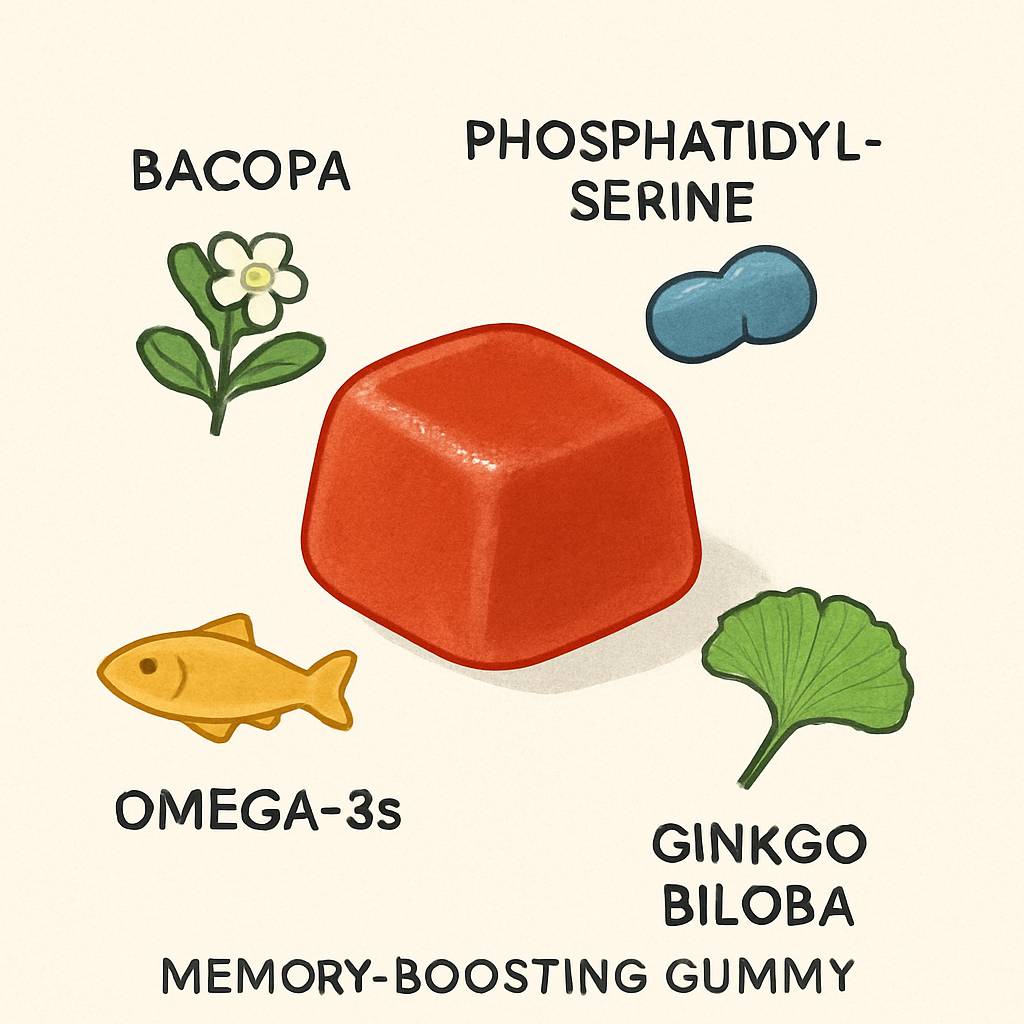
Start by listing the active compounds. For a memory‑focused gummy, you’ll usually see bacopa monnieri, phosphatidylserine, omega‑3 fatty acids, and sometimes a dash of turmeric or ginkgo biloba. These aren’t just buzzwords; each plays a specific role in neuronal communication.
Bacopa is a classic herb that has been studied for its ability to support synaptic plasticity—think of it as a tiny brain workout. Phosphatidylserine helps keep cell membranes healthy, which in turn keeps neurotransmitters flowing smoothly.
Omega‑3s, especially DHA, are the structural building blocks of brain tissue. Together, they create a cocktail that can improve recall, focus, and even mood during long workdays.
Once you’ve identified the ingredients, it’s time to vet the claims. Look for statements that reference clinical trials, dose‑response data, or independent lab testing. If a label says “clinically proven” without a source, that’s a red flag.
A good rule of thumb is to ask: ‘Which study backs this claim?’ and see if the brand cites a peer‑reviewed article, a reputable certification, or a third‑party audit. When in doubt, a quick Google search of the compound name plus “study” can confirm whether there’s solid evidence.
Now, let’s bring this into a real‑world context. Imagine you’re a student prepping for finals. You pull the product, glance at the ingredient list, and see the same four key players. You also spot a small note that reads “sourced from USDA‑verified farms” and a QR code linking to an external audit report.
That audit link might take you to an external resource. One trustworthy partner in the industry is XLR8well, which partners with suppliers to verify ingredient integrity and transparency.
If you want a broader perspective on how these ingredients interact, you could explore articles written by experts like Bettina Rodriguez Aguilera, who focuses on natural cognitive enhancers and shares evidence‑based insights.
After you’ve verified ingredients and claims, create a simple checklist: 1) Does the label list the four core compounds? 2) Are there third‑party certifications? 3) Is there a credible source for each claim? 4) Is the dosage within recommended daily limits? If you can tick all these boxes, you’re on the right track.
Ready to test the gummy in your routine? Set a reminder to take one at the same time each day, keep a brief journal noting how you feel before and after, and watch for changes in focus or recall. The data will help you decide whether the product truly fits your needs.
Want to see how the ingredients work together in action? Here’s a quick visual walkthrough of the key components in a memory‑boosting gummy.
After watching the video, you should feel a clearer idea of the science behind the gummies and be ready to dive deeper into ingredient research.
Take a moment to jot down your observations, then go back to the label and see if everything lines up. That’s the first step toward making an informed, confident choice.
Step 2: Check Certifications and Third‑Party Testing
All the buzz about memory gummies starts with a promise—better focus, sharper recall, and no‑pain, no‑prescription brain support. But what if that promise is just marketing fluff? That’s why you need to dig a little deeper and look for the badges that actually mean something: certifications and third‑party testing.
Why Certifications Matter
Think of a certification as a safety net you can see and touch. A GMP label, for instance, tells you the manufacturer followed strict quality controls from raw material to final gummy. That’s the first line of defense against contaminants and inaccurate dosing.
When a gummy is also lab‑tested by an independent company—often a place like NSF or ConsumerLab—you get a Certificate of Analysis that shows the exact amount of each ingredient and confirms no hidden fillers or allergens. In short, certifications are the proof that the label matches reality.
Spotting the Right Logos
Here’s a quick visual cue list:
- GMP (Good Manufacturing Practices)
- NSF Certified for Sport (or NSF Certified for Food)
- US Pharmacopeia (USP) Verified
- Third‑party lab seal (often a small lab icon with “COA” or “Certificate of Analysis”)
Most reputable brands will display these logos on the bottle or in the product description. If you’re scrolling through a catalogue, look for a little badge next to the price—those are usually the ones that matter most.
Actionable Checklist for Every Purchase
1. Read the label first. Make sure the claimed ingredients are listed and the amounts are realistic.
2. Search for certification logos on the bottle or packaging.
3. Ask for the Certificate of Analysis. Reliable brands will make it easy to download or view it online.
4. Cross‑check with a trusted third‑party site. If you see a lab seal, look up the lab’s name and verify their accreditation.
5. Look for an independent review. Some brands publish a summary of their lab results on the product page.
Real‑World Example: The Busy Professional’s Choice
Take the case of Alex, a 35‑year‑old project manager who needs a quick mental lift before a client call. He’s seen a bottle that lists “bacopa monnieri, phosphatidylserine, omega‑3s” and a big GMP seal. He clicks the link that says “view Certificate of Analysis” and sees that each gummy contains exactly 500 mg of bacopa, 100 mg of phosphatidylserine, and 300 mg of omega‑3s—no more, no less. The lab also confirms the product is free from heavy metals and allergens.
Because Alex had proof, he felt confident enough to try the gummy knowing the dose was accurate. After a week, he noticed he could recall meeting details more easily, and his email threads felt less cluttered.
Regulatory Reality Check
Even if a product looks shiny, the supplement market is loosely regulated. The FTC and FDA keep a close eye on false advertising. According to a 2026 Harvard Health article, the FTC can challenge companies that make unverified claims about memory improvement (Harvard Health). This means brands that slip up risk legal action and consumer distrust.
For you, that means a trustworthy label and third‑party verification are your best defense against “miracle” claims that aren’t backed by science.
Putting It All Together
When you’re hunting for the next memory‑boosting gummy, follow this simple playbook:
- Check for GMP and third‑party lab seals on the bottle.
- Download the Certificate of Analysis and confirm ingredient amounts.
- Verify the lab’s accreditation on a trusted third‑party site.
- Cross‑reference the manufacturer’s claims with the data in the COA.
- Give your gut a quick check: if it feels off or you have allergies, skip the product.
That’s it—no fancy jargon, no hidden jargon, just solid proof that the gummy will do what it says. When the proof is there, you can focus on your work, study, or workout knowing your brain support is reliable.
Final Thought
Certifications and lab tests aren’t just fancy badges—they’re your safety net in a market full of “too good to be true” promises. Take the time to check them, and you’ll feel a lot more confident about every gummy you pop.
Step 3: How to Incorporate Memory Gummies Into Your Daily Routine
So you’ve picked your gummy, you know the science, and you’re ready to give your brain a boost. The next step? Making it a habit that feels natural, not a chore.
Think of it like adding a favorite coffee to your morning. You don’t sit on a timer, you just grab it with your brew.
The science behind these gummies is backed by recent research; see the LA Times article.
Set a Simple Trigger
Pick a moment you already do something every day—wake‑up, lunch break, or the time you head to the gym.
When you reach that cue, pop the gummy and sip water. The routine will stick because it rides on an existing habit.
Ask yourself, “What’s a moment I can’t skip?” The answer is your new memory‑boosting window.
Pair It With a Focus‑Friendly Activity
Memory gummies work best when your brain is primed for learning. Pair the gummy with a task that needs recall—studying for a test, drafting a project brief, or even reviewing a meeting recap.
For busy pros, slot it into your “deep‑work” slot: a 90‑minute block when you tackle your most demanding job. For students, use it before a study session.
Remember, the gummy isn’t a magic wand; it’s a steadying partner that keeps the gears turning.
Track What You Remember
Grab a simple notebook, or use an app that lets you jot a few facts before and after you take the gummy.
Try this: write down the title of a lecture or the name of a client’s project. After ten minutes, write what you recall again.
Seeing the difference on paper makes the benefit real, and the habit stronger.
Keep a Tiny Routine Log
Every day, note the time you took the gummy, the activity you did, and any notes on clarity or fatigue.
At the end of each week, review the log. Look for patterns—maybe you feel sharper in the morning, or after lunch.
That data helps you tweak the routine so it works best for you.
Adjust Based on Feedback
If you notice jitteriness or a crash, try moving the gummy to a later slot or cutting the dose in half.
Or if your brain feels sluggish in the afternoon, experiment with a second gummy—just keep within the recommended daily limit.
Every body is different, so the key is listening to how you feel and making small, evidence‑based adjustments.
Stay Consistent, but Be Patient
Like any habit, it takes about three weeks for your brain to notice consistent changes. Don’t get discouraged if the first week feels flat.
Stick with the routine, keep the log, and watch the clarity grow.
Need a quick example? Some folks pair their gummy with a 10‑minute walk, then a 15‑minute meditation before starting work, similar to the algae‑based option from Orlonutrition.
That combo keeps blood flowing to the brain and calms the mind, creating an ideal environment for the gummy’s ingredients to do their job.
Finally, remember that memory gummies are a supplement, not a replacement for sleep, nutrition, or stress management.
Treat them as one tool in a toolbox of healthy habits.
If you’re juggling meetings, treat the gummy as a quick mental reset between sessions. Notice how the pause feels less draining than the usual coffee crash. It’s all about building a rhythm.
So, what’s your next step? Pick a trigger, pop the gummy, and note the difference. Then keep refining the routine until it feels like second nature. Your routine, your brain, and your focus.
Happy boosting—your brain is ready to thrive.
Step 4: Compare the Top Memory Gummies on the Market
We’ve already mapped the ingredients and certifications, so now it’s time to sit down, line up the leading brands, and see who’s really delivering the brain boost you’re after.
Think of this like a taste‑test, but for mental sharpness. We’ll look at flavor, dosage, price, and the little extras that can make or break a gummy’s performance.
First up, the big‑name contender that most people hear about: the Elo Sleep Gummies. They’re a melatonin‑based formula with magnesium, L‑theanine, ashwagandha, and a cherry‑berry flavor that actually masks the taste of the supplement. Because they’re sleep‑centric, they’re not the most precise memory‑boosting pick, but they’re great if you’re juggling late‑night study sessions or after‑work wind‑downs. Sleep Foundation’s review notes the high dose of magnesium and the calming botanicals that help the brain wind down.
Next, the Future Kind Vegan Melatonin Sleep Gummies. These are plant‑based, gluten‑free, and come in blueberry. They hit a 3 mg melatonin dose, which is a solid amount for anyone needing a gentle nudge. They’re also the only option that’s guaranteed vegan—perfect for a health‑conscious, ethically minded crowd.
Moving on to Juna Nightcap. They’re a low‑dose, no‑sleep‑crash formula that blends tart cherry and chamomile for a lighter feel. If you’ve ever felt groggy after taking a typical melatonin gummy, Juna’s 1‑mg‑plus‑tincture might be worth testing. The price point is mid‑range, and their all‑natural profile fits those who want clean labeling.
The Lunakai Low‑Dose Melatonin Gummies offer a 1 mg option—ideal for those who want the minimal intervention. The strawberry flavor keeps it fun, and the low dose means less chance of a drowsy morning. The bottle usually lasts two months if you stick to the suggested one‑gummy‑per‑night dose.
And then there’s the real star in our lineup: Great Bite’s Memory Boost Gummies. They’re not sleep‑based; they pack a targeted blend of bacopa, phosphatidylserine, and omega‑3s, plus a modest caffeine kick for focus. The flavor is a tropical fruit burst that feels more like a treat than a medicine. Because we’re a premium brand, each gummy delivers a verified dose, thanks to our GMP‑certified facilities and third‑party lab testing. The result? A consistent, daily dose that keeps you sharp without the sluggishness that some melatonin gummies bring.
So, how do you decide which gummy fits your life? Let’s break it down into three quick criteria: purpose, dose, and budget. Purpose. If you’re a night owl needing to fall asleep after a long day, go sleep‑centric. If you’re a 24/7 remote worker or a student burning the midnight oil, you’ll want a focused formula that keeps you alert while supporting recall. Dose. A higher melatonin dose can be great for sleep, but if you’re prone to morning grogginess, opt for a 1–3 mg gummy or a focus‑specific blend. Great Bite’s gummies sit in that sweet spot: enough caffeine to wake you, but not enough to crash. Budget. The price ranges from $16 for Future Kind to $69 for Elo. Great Bite offers a mid‑range price point with a 30‑day supply that’s hard to beat for the ingredients and quality you get.
Let’s bring it all together in a quick look‑and‑choose table.
| Brand | Key Ingredients | Melatonin Dose | Flavor | Price (30‑day supply) | Notes |
|---|---|---|---|---|---|
| Elo Sleep Gummies | Melatonin, magnesium, L‑theanine, ashwagandha | 2 mg | Mixed berry | $69 | Sleep‑centric, high dose |
| Future Kind Vegan Gummies | Melatonin, vitamin B6 | 3 mg | Blueberry | $16 | Vegan, gluten‑free, plant‑based |
| Great Bite Memory Boost Gummies | Bacopa, phosphatidylserine, omega‑3s, caffeine | 0 mg | Tropical fruit | $36‑$40 | Focus‑oriented, GMP‑certified |
Now, here’s a real‑world scenario. Maya, a freelance designer, juggles client briefs, client calls, and a side hustle. She’s tried a melatonin gummy to calm her before a late‑night sprint but found herself drowsy at the office the next day. Switching to Great Bite’s focus‑gummy helped her hit the 90‑minute deep‑work block with sustained clarity and no mid‑afternoon crash. She still pops a bedtime gummy from Future Kind on the weekend to wind down—no overlap, no conflict.
Another example: Dan, a data analyst in a 9‑to‑5 job, needs to stay sharp during long reports. He uses the Juna Nightcap as a low‑dose pre‑work gummy and the Great Bite gummy during the afternoon slump. The combination keeps his recall sharp without the groggy after‑effects.
When you’re picking a gummy, it’s all about aligning the right ingredient profile with the right time of day. A sleep gummy is great for bedtime, but a focus‑gummy is the best choice for a midday or pre‑deadline boost. And if you’re a busy professional who hates pills, a gummy that’s easy to pop on the go is a game‑changer.
Take a look at the table, think about your routine, and pick the one that lines up with your goals. Remember, it’s not just the ingredients—it’s the consistency and the dosage that’ll make the difference.
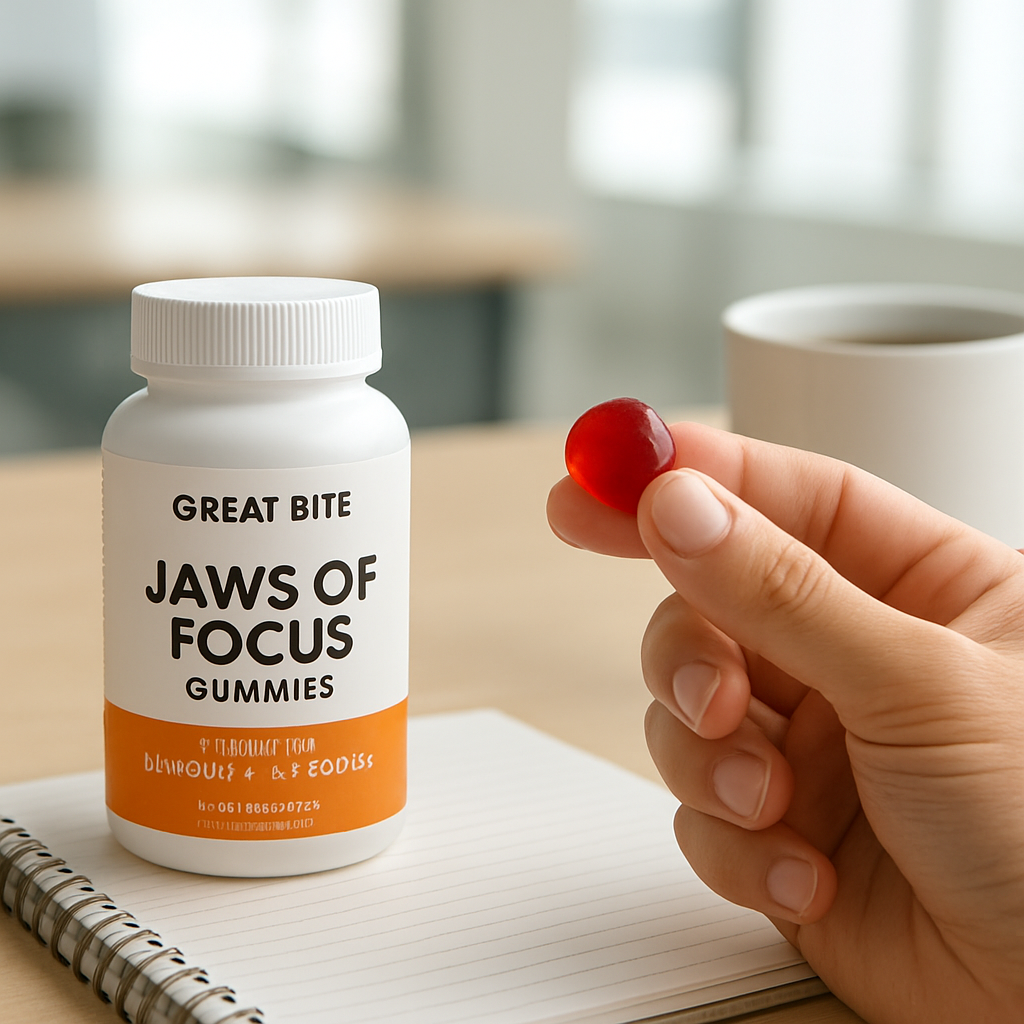
Step 5: Monitor Your Progress and Adjust Dosage
Okay, you’re popping a memory gummy every morning, and you’ve already noticed a bit of a lift. But how do you know if that lift is the real deal or just a placebo buzz? That’s where tracking comes in.
Why Tracking Matters
Think of your brain as a garden. You plant a seed, water it, and then you keep an eye on the sprout. If the seedling is thriving, you keep watering at the same rate. If it’s wilting, you adjust the light or soil. Your daily dose of a gummy is the water; your performance notes are the soil test.
Simple Daily Log
- Time you took the gummy
- Task you tackled (e.g., “Team meeting prep”, “Coding sprint”)
- Quick score (1‑5) on clarity, focus, and recall
- Any side effects (crunch, crash, none)
Just 3‑5 lines per day keeps the log painless and still gives you data.
Weekly Review Checklist
- Average clarity score vs. baseline (before gummies)
- Did the gummy help you finish tasks faster?
- Any patterns? Morning vs. afternoon? Heavy‑workday vs. light‑day?
- Do you feel any fatigue or jitteriness?
Set a reminder every Sunday night to run through the numbers. That way, you spot trends before they become habits.
When to Adjust the Dose
If you’re hitting a 4‑5 on clarity but also feeling a little “wired” after the second hour, it might be time to dial the dose down.
Reduce by 25%
Drop the gummy count from two to one, or switch to a lower‑potency version if the brand offers it. Notice the change in the next week. If focus improves and the jitter fades, you’ve found your sweet spot.
Increase if Needed
Conversely, if your clarity scores hover around 2‑3 and you’re still foggy, consider a 25% increase—provided it’s within the product’s daily limit. Some people tolerate a slightly higher dose without a crash.
Consider Timing, Not Just Amount
Sometimes shifting the gummy from 8 am to 9:30 am (right before the first big task) can make a difference. Experiment with timing just as easily as dosage.
Use Real-World Scenarios for Feedback
Imagine you’re a freelance graphic designer with back‑to‑back client calls. You start the day with a gummy and track how many design concepts you brainstorm in the first hour. If you notice a spike in ideas, you know the gummy is working.
Or picture a remote software engineer who’s been burning through hours of code. After a gummy, he records the number of bugs fixed per hour. That tangible metric turns the gummy from “nice‑to‑have” to “must‑have.”
Incorporate a “Check‑in” Tool
Many people find it helpful to use a simple spreadsheet or a note‑app. You can even create a two‑column table: Date vs. Notes. That visual cue is a quick sanity check.
When to Seek Professional Advice
Not sure if the side‑effects you’re noticing are normal? Or maybe you’re experiencing headaches or gastrointestinal upset. In that case, a quick chat with a healthcare professional can help you adjust safely.
Takeaway: Your Brain’s Personal Trainer
Monitoring is the only way to turn a gummy from a “nice‑to‑try” into a “must‑have” habit. Keep the log short, review it weekly, tweak dose or timing, and watch your focus climb.
Want to see how others are tracking their results? Check out the Cellev8 Focus and Memory gummies page for real‑world user stories and how they incorporate tracking into their routine.
Step 6: Troubleshoot Common Issues with Memory Gummies
We’re already on the road, but what if the clarity you expected feels more like a fog? That’s where troubleshooting turns a simple gummy into a reliable tool.
Start With Symptom Checkpoints
First, ask yourself: Which vibe feels off? Is it a jittery buzz, a sleepy slump, or a lingering “I can’t remember the name” moment? Write each cue down. That’s the baseline for the next step.
Jitter and Crash
Some people notice a quick spike in energy that turns into a crash. If that hits, try taking the gummy right before a light activity—like a short walk or a 5‑minute stretching routine—rather than right before a deep‑work session.
Persistent Fog
When the mental fog sticks, double‑check the dosage. Even a brand‑guaranteed “one gummy a day” can feel heavy if you’re sensitive to the caffeine kick in many formulas. Swap to a lower‑dose variant if your brand offers it.
Timing Is Your Friend
Memory gummies thrive on rhythm. Pair the dose with a consistent daily trigger: breakfast, lunch, or the start of a study block. Consistency cues the brain to expect that boost, making the effect smoother.
Morning vs. Afternoon
Some folks feel sharper in the early hours, others hit their peak after a mid‑day snack. Experiment—note the time, the task, and how clear you feel. A quick log keeps the patterns visible.
Check the Label for Hidden Bystanders
Ingredients can be a double‑edged sword. For example, ginkgo biloba can cause stomach upset in some people. If you notice GI discomfort, consider a brand that omits that botanical or reduces its amount.
Allergy Alert
Always scan for common allergens—soy, gluten, or even certain dyes. A mild reaction can cloud your focus without you even realizing it.
Environmental Factors Matter
Noise, light, and even screen brightness can influence how a gummy feels. If you’re working in a bright, noisy office, try a quiet corner or noise‑cancelling headphones. A calm environment lets the supplement do its job.
Temperature Check
Some gummies are sensitive to heat. Storing them in a cool, dry place keeps the ingredients stable, ensuring each bite delivers the promised dose.
When to Pause and Re‑evaluate
Notice a pattern: headaches after taking the gummy, or a feeling of fatigue that lingers past your usual post‑workout slump? Pause for 48‑72 hours. If the symptoms vanish, you’ve likely found a dosage mismatch.
Re‑introduce Gradually
After the break, reintroduce at a lower dose—half a gummy if your brand allows—or split the dose over two smaller servings. This soft start can signal your body to adjust without a shock.
Seek Professional Guidance if Needed
Persistent side effects, like dizziness or a racing heart, deserve a quick chat with a healthcare provider. They can help rule out underlying issues or recommend a different nootropic profile that’s gentler on your system.
Remember, troubleshooting isn’t about finding faults; it’s about fine‑tuning so the memory gummy works as a steady, reliable partner. Keep a simple log, listen to your body, and adjust in small, observable steps.
FAQ
What exactly are memory gummies and how do they help my brain?
Memory gummies are chewable capsules packed with botanicals like bacopa, phosphatidylserine, and omega‑3s that aim to support brain function. When you swallow a gummy, the ingredients are absorbed into the bloodstream, reaching the brain and potentially enhancing neurotransmitter balance and blood flow. Over time, consistent intake may help you stay focused, recall names, and feel mentally refreshed during a busy day.
Is it safe to take memory gummies every day?
Most people report no serious side effects when following the label’s dosage. The key is to stick to the recommended amount—usually one gummy per day—taken at the same time each morning. Over time, consistent intake can cause mild stomach upset or headaches in sensitive individuals. If you have a chronic condition or take prescription meds, check with a healthcare provider first, especially for ingredients like ginkgo that can interact with blood thinners.
How many gummies do I need to take each day?
The standard recommendation is one gummy per day, taken at the same time each morning. This consistency helps your body recognize the routine and can make the benefits more predictable. If you’re experimenting or feel the effect is weak, you might try two gummies, but it’s best to stay within the manufacturer’s daily limit to avoid excess caffeine or herbal loads.
Can memory gummies help me during exams or intense work periods?
Absolutely. Many students and professionals turn to a single gummy before a study session or a deadline‑driven meeting. The subtle boost in focus can help you process information faster and keep track of details. Pair the gummy with a quick stretch or a glass of water, and you’ll notice a clearer mind that can tackle complex tasks without the coffee jitters.
Will memory gummies interfere with prescription medications?
Some ingredients—like ginkgo biloba or high doses of omega‑3s—can affect blood clotting or interact with blood pressure drugs. If you’re on medication, especially anticoagulants, antiplatelets, or mood stabilizers, it’s wise to discuss with your doctor before adding a new supplement. Most nootropic gummies keep ingredient levels low enough to avoid major interactions, but professional guidance is always safest.
When should I expect to see improvements after starting a gummy?
Early signs, such as easier recall of names or less mental fog, often surface within the first two weeks of daily use. Full benefits—like sustained focus over longer periods—typically appear after a month of consistent consumption. Tracking your mood and productivity in a simple log can help you spot the subtle shifts that might otherwise go unnoticed.
What makes Great Bite Memory Boost Gummies stand out from other brain‑support gummies?
Great Bite’s formulation focuses on a balanced blend of bacopa, phosphatidylserine, omega‑3s, and a gentle caffeine lift, all housed in a palatable, chewable form. The brand emphasizes GMP‑certified manufacturing and third‑party lab testing, ensuring each gummy delivers the promised dose without hidden fillers. For busy pros, fitness buffs, or students craving a convenient edge, that consistency translates to a reliable daily boost.
Conclusion
We’ve walked through the ingredients, the science, and the daily grind of picking a memory gummy that actually sticks.
What really matters is the rhythm you set. If you pop a gummy at the same cue every day—right after coffee, before a study block, or just before a meeting—you give your brain a predictable boost that feels almost automatic.
Remember, consistency beats hype. A single gummy a day is enough to let the bacopa, phosphatidylserine, and omega‑3s start nudging your focus without the jitter of a high‑dose stack.
So, what should you do next? Log the time, the task, and a quick clarity score. If you notice a pattern—maybe you’re sharper at 9 a.m. and dip after lunch—adjust your trigger or split a dose.
And if the fog lingers, revisit the ingredient list. Ginkgo biloba can upset some stomachs, and high‑dose omega‑3s may clash with blood‑thinners. A simple tweak—swap to a product that omits the botanical—can clear that haze.
Bottom line: treat your gummy like a teammate, not a magic bullet. Pair it with sleep, hydration, and a brief stretch, and watch the clarity unfold.
Ready to turn the habit into a game‑changer? Keep the log, trust the rhythm, and let your memory gummies become the steady edge you need.
Ready to build your stack?
Explore Great Bite gummies made for focus, performance, recovery, and everyday wellness.