
Focus Gummies for ADHD: A Practical How‑To Guide for Better Concentration
Science-backed insights, practical wellness guidance, and smarter ways to support your daily routine.

Ever found yourself staring at a blank page, the clock ticking, and the ADHD brain buzzing with a thousand thoughts that just won’t line up? You’re not alone. A lot of busy professionals, students, and creators feel that same mental scramble when they need laser‑sharp focus the most.
Imagine you’re in the middle of a critical client call or cramming for finals, and the usual strategies—coffee, power‑naps, endless to‑do lists—just aren’t cutting it. That jittery crash can leave you more exhausted than before you even started. What if there was a way to smooth out that roller‑coaster without sacrificing taste or convenience?
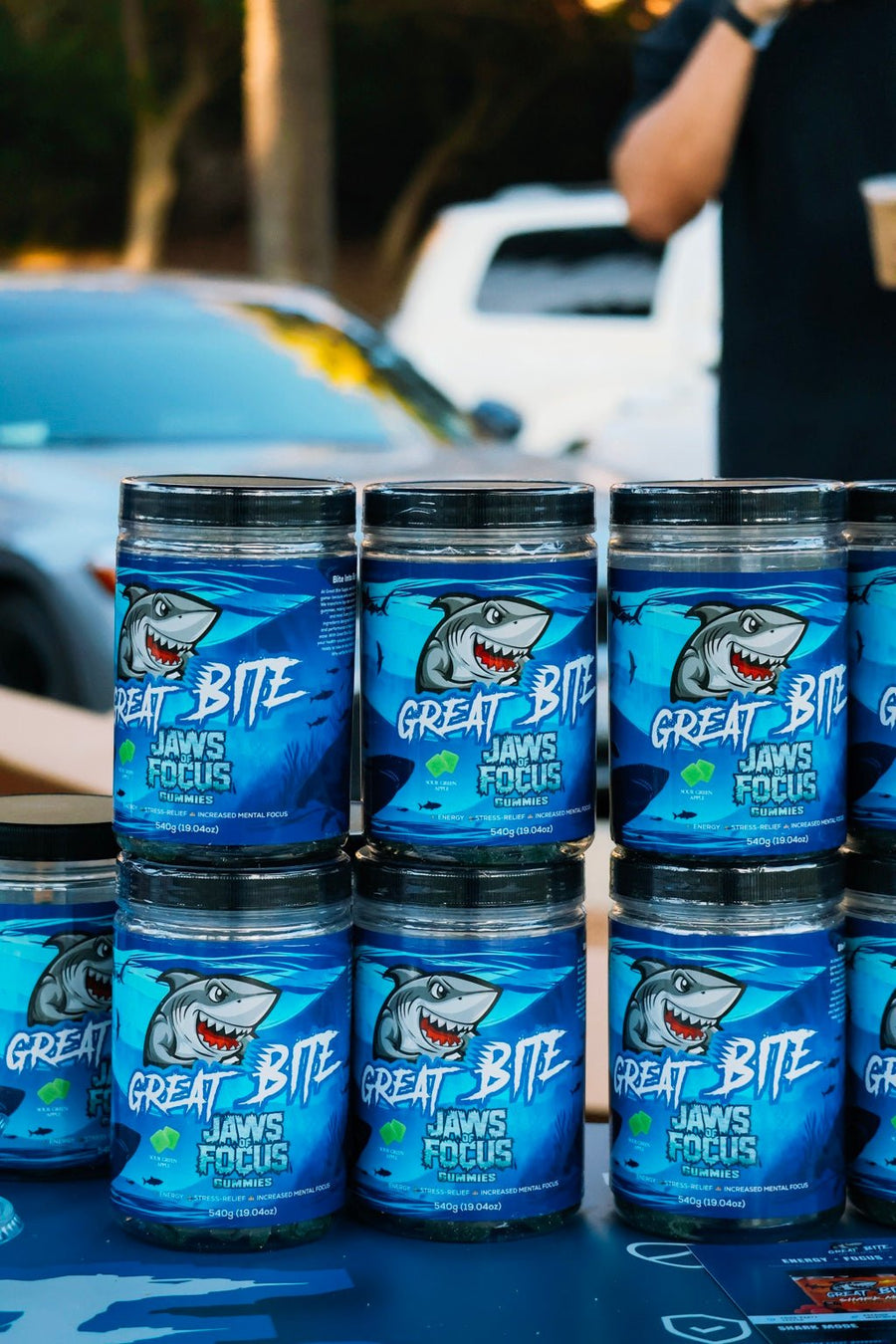
That’s where focus gummies for ADHD step in. These little fruit‑flavored powerhouses blend nootropic ingredients like Lion’s Mane, Alpha GPC, and natural caffeine to give you a steady stream of clarity. Because they’re gummies, you sidestep the pill‑fatigue many people dread, and the dosing is as simple as popping a candy.
In our experience at Great Bite, we’ve seen students swap out late‑night coffee for a few gummies and notice a calmer, more sustained concentration during study sessions. One freelance designer told us that a morning routine of a quick stretch, a glass of water, and a serving of Jaws of Focus Gummies helped her finish client drafts 20% faster, without the usual mid‑day slump.
So, how can you make these gummies work for you?
- Start with a baseline: track your focus levels for three days without any supplement.
- Introduce one gummy in the morning with breakfast—no sugar spikes, just steady fuel.
- Pair the boost with a proven productivity method. The Pomodoro technique, for example, breaks work into 25‑minute sprints followed by short breaks. It’s a perfect match for the clean energy these gummies provide. Check out this Pomodoro productivity guide for a ready‑to‑use schedule.
- Monitor and adjust. If you feel a slight edge after the first week, you might try a second gummy later in the day for a late‑afternoon lift.
Remember, the goal isn’t to rely on a single solution but to layer habits that support your brain’s natural rhythm. With the right blend of nutrition, routine, and focus‑friendly techniques, you can turn those scattered thoughts into a steady stream of productivity.
TL;DR
If you’re juggling meetings, study sessions, or creative bursts, focus gummies for ADHD give you a steady, jitter‑free boost that keeps your mind sharp without the crash. Try pairing one gummy with breakfast, track your concentration, and use the Pomodoro rhythm to turn that extra clarity into measurable productivity gains across work or school.
Step 1: Understand How Focus Gummies for ADHD Work
When you first hear about focus gummies for ADHD, the first thought is usually “are they just candy?” Let’s be real – you’ve probably tried coffee, energy drinks, maybe even a handful of pills that left you jittery or crashing later.
What makes these gummies different is the way the ingredients are delivered. Because they’re chewable, the natural caffeine, Lion’s Mane, and Alpha GPC bypass the stomach’s acid barrier and enter your bloodstream a bit more gently than a tablet. The result? A smoother, steadier lift that feels more like a calm wave than a sudden jolt.
Think about the brain chemistry behind ADHD. Your neurons are constantly firing, but the signal‑to‑noise ratio can be off. Nootropics like Lion’s Mane support myelin growth, helping the brain conduct signals more efficiently. Alpha GPC supplies choline, a building block for acetylcholine, the neurotransmitter that powers attention. Together they create a kind of “focus‑friendly environment” without the harsh spikes you get from pure caffeine.
So, how does a single gummy translate into that environment? The formula is timed‑release. As you chew, the sugar matrix dissolves, releasing micro‑doses of each ingredient over roughly 30‑45 minutes. That timing aligns nicely with a typical Pomodoro sprint, giving you clear mental bandwidth right when you need it.
Here’s a quick way to test it on yourself. Start a day with a baseline: no gummies, just your usual breakfast and a 25‑minute work block. Note how many distractions pop up, how long it takes to get into flow, and whether you feel a crash afterward. Then repeat the same routine, adding one gummy of Great Bite’s Jaws of Focus. Compare the two scores. Most people see a noticeable dip in mind‑wandering and a smoother energy curve.
But you might wonder, “Is this safe for kids or teens?” The answer isn’t one‑size‑fits‑all. For younger audiences, it’s best to consult a pediatrician and look for formulations that respect age‑appropriate dosages. A good resource for parents navigating ADHD strategies is the guide from practical behaviour‑management tips – it walks you through setting routines that complement any supplement plan.
If you’re still skeptical, check out what the broader community says about the science behind chewable nootropics. A recent overview on youth mental health highlights that engaging, tasty delivery methods can improve adherence, especially for people who “hate pills.” You can read more about that perspective at About Young People, which discusses how young adults are embracing innovative wellness tools.
Now let’s watch a short explainer that breaks down the chemistry in plain English.
Notice how the visual shows the gradual release of ingredients? That’s exactly what we’re counting on during a study session or a creative sprint.
Practical tip: Pair the gummy with a glass of water and a protein‑rich snack. The protein helps stabilize blood sugar, preventing that mid‑afternoon dip that can undo the gummy’s benefits.
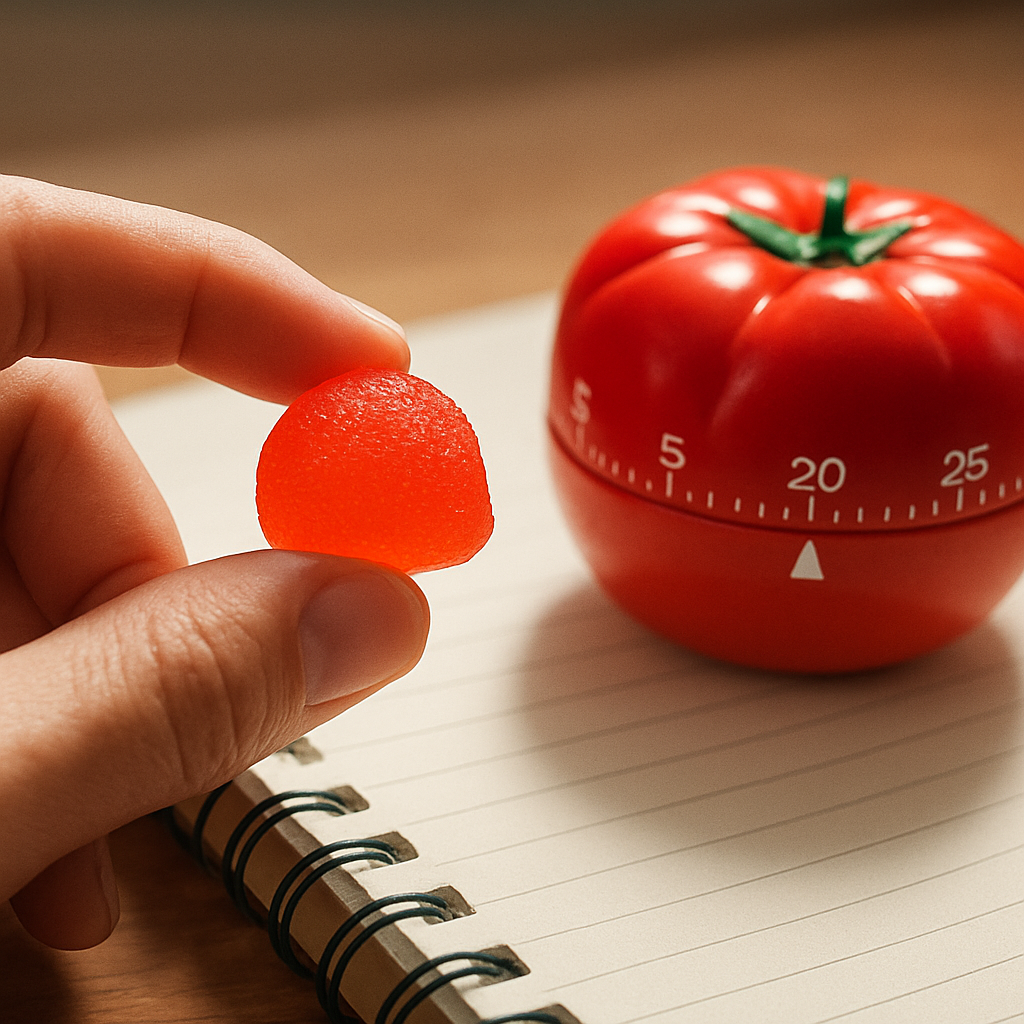
Another tip: Use the Pomodoro method. Start the timer, pop the gummy, and work for four 25‑minute cycles. You’ll often find the focus boost peaks around the second and third cycles, then gently tapers – perfect for wrapping up without a crash.
Finally, track your results. A simple spreadsheet with columns for “time,” “focus rating (1‑10),” and “energy level” will let you see patterns over a week. Adjust the timing or dosage if you notice any edge‑feel or lingering restlessness.
Over time you’ll notice that the gummy isn’t a magic button but a supportive tool. It works best when your sleep, hydration, and movement are also on point. Think of it as the friendly sidekick that steadies your brain’s signal while you do the heavy lifting.
Step 2: Assess Your Personal Needs and Health Profile
Alright, before you pop any gummy, you need to get clear on what your brain‑fog looks like on a typical day.
Take a notebook, a phone note, or even a sticky‑note and jot down three things: how many hours of focused work you actually get, what triggers your distraction spikes, and whether you’ve got any health conditions or meds that already play with dopamine or caffeine.
Map your baseline
For five consecutive days, record your start‑to‑finish time on tasks you consider “deep work” – think drafting a proposal, coding a module, or cramming for an exam. Give each session a 1‑10 rating for mental clarity. If you notice a dip after lunch, mark that too.
When you look back, you’ll probably see a pattern: maybe you’re solid for two hours, then a 20‑minute slump, or perhaps you’re fine until a coffee crash hits around 3 pm.
Health check‑up (the quick kind)
Ask yourself these yes/no questions:
- Do you have a diagnosed condition like anxiety, depression, or a thyroid issue?
- Are you on prescription stimulants, antidepressants, or blood‑pressure meds?
- Do you regularly consume alcohol, nicotine, or cannabis?
If you answered “yes” to any, it’s worth a quick chat with a pharmacist or your primary care doc before adding a new nootropic.
Why? Because the research on cannabis use among people with ADHD shows a higher risk of dependence and can interfere with stimulant meds — see this analysis for details.
Set realistic goals
Instead of “I want to be hyper‑productive all day,” aim for “I want to extend my focused window by 30 minutes and cut my mid‑day distraction count in half.” Specific numbers make it easier to see if the gummies are actually helping.
Write those goals next to your baseline data. If your baseline focus rating is a 5, a realistic target might be a 6 or 7 after a week of trying the gummy.
Pick the right formula for you
Great Bite’s focus gummies combine Lion’s Mane, Alpha GPC, and a modest caffeine dose. If you’re already sensitive to caffeine, start with half a gummy in the morning and see how you feel after an hour.
For fitness‑enthusiasts who train before work, a pre‑workout gummy with lower caffeine (around 15 mg) can give a mental boost without jitter, while the protein‑rich post‑session meal keeps blood sugar steady.
Action checklist
- Track baseline for five days (tasks, time, clarity rating).
- Answer the health‑check questions and note any meds or substances.
- Write a concrete focus goal (e.g., +30 min window, −2 distractions/hr).
- Choose an initial dosage: half a gummy with breakfast.
- Repeat the same tracking for the next seven days, noting any changes.
- Compare numbers – if you hit at least a 10 % improvement, consider moving to a full gummy; if not, adjust timing or dosage.
Remember, the whole point is to treat this like a mini‑experiment. You’re the scientist, the data is yours, and the gummies are just one variable in the equation.
Got a busy schedule? Try slotting the tracking into your existing Pomodoro app – a quick note after each sprint is all it takes. And if you ever feel a jitter or a racing heart, dial back the caffeine or skip the gummy that day.
By the end of week two you should have a clear picture of whether focus gummies for ADHD genuinely lift your performance, or if you need to tweak other habits like sleep, hydration, or movement.
After you’ve logged the two‑week data, sit down with a cup of tea and draw a quick line graph – baseline versus gummy weeks. Notice if the upward slope lines up with your goal? If the change is marginal, consider pairing the gummy with a brief morning walk or a 10‑minute meditation; both have been shown to sharpen attention and may amplify the nootropic effect.
Step 3: Choose the Right Focus Gummy Formula – Video Overview
Okay, you’ve logged your baseline and you know what a good focus window feels like. Now the big question is: which gummy formula actually delivers that steady, jitter‑free boost you’ve been chasing?
First, pause and picture the moment you reach for a gummy during a busy morning. Is it a quick‑fix caffeine hit, or is it a balanced blend that keeps you cruising until lunch? That split‑second decision shapes the whole experiment.
Break down the core ingredients
When we talk about focus gummies for ADHD, three pillars usually show up:
- Lion’s Mane – the mushroom that’s been linked to modest memory gains in early‑stage trials.
- Alpha GPC – a choline source that fuels acetylcholine, the neurotransmitter behind learning and attention.
- Natural caffeine source – typically green tea extract or guarana, providing a gentle lift without the crash of a coffee binge.
If a formula leans heavily on caffeine alone, you might feel a spike and then a dip. If it’s all mushroom and no caffeine, the effect can be subtle and take a few days to register. The sweet spot? A 30‑40 mg caffeine dose paired with at least 150 mg of Alpha GPC and 500 mg of Lion’s Mane.
Real‑world scenario #1: The remote developer
Jenna, a freelance coder, tried a gummy that was 60 mg caffeine and no Lion’s Mane. She noticed a burst of energy for the first 45 minutes, then a “brain fog” crash right before her client call. She switched to a formula with half the caffeine and added Lion’s Mane. Within a week, her focus rating rose from a 5 to a 7 during her 2‑hour sprint, and she reported fewer mid‑session distractions.
Real‑world scenario #2: The college student
Mark, studying for finals, started with a gummy that only contained B‑vitamins and ashwagandha. He felt calmer but didn’t notice any speed‑up in task completion. After adding a low‑dose caffeine (about 25 mg) and Alpha GPC, his Pomodoro cycle completion jumped from 4 to 6 tasks per session, and his self‑rated clarity improved by roughly 15 %.
Step‑by‑step formula‑selection checklist
Grab a pen or open a note app. Use this quick checklist before you click “add to cart”:
- Identify your caffeine tolerance. If you usually skip coffee after 2 pm, aim for ≤30 mg caffeine per gummy. If you’re a coffee lover, you can stretch to 40 mg.
- Look for Lion’s Mane dosage. Aim for at least 500 mg per serving. Anything lower may not give you the memory‑support edge.
- Check Alpha GPC amount. 150 mg is the sweet spot for most adults; higher doses can feel “over‑stimulated.”
- Read the label for extra adaptogens. Ingredients like ashwagandha or ginkgo can smooth the experience, but they’re optional.
- Verify third‑party testing. A GMP‑certified badge means the batch meets quality standards – crucial for consistency.
Once you’ve ticked those boxes, you’ll know whether the product aligns with your personal baseline and the performance boost you’re after.
Quick tip: Start half‑size
Even if the label says “one gummy per day,” consider cutting it in half for the first three days. Track how your energy, focus rating, and any jitters change. If the half‑dose feels right, graduate to the full serving.
Does this feel overwhelming? Not at all. Treat the selection like you’d choose a new pair of running shoes – you look at cushioning, fit, and durability before you lace up. The same principle applies to gummy formulas.
Expert insight
Our in‑house nutritionist, who’s worked with dozens of ADHD clients, recommends pairing any focus gummy with a protein‑rich breakfast. Protein helps stabilize blood sugar, which in turn prevents that mid‑morning slump that can mask the gummy’s benefits.
So, what’s the next move?
1️⃣ Write down the three ingredient criteria above.
2️⃣ Scan the product page for dosage details.
3️⃣ Order a single‑bottle trial (most brands offer a money‑back guarantee).
4️⃣ Log your baseline, then repeat the same logging after you’ve tried the gummy for seven days.
5️⃣ Compare the numbers – aim for at least a 10 % lift in tasks completed or a two‑point rise in clarity rating.
If the data shows improvement, you’ve found your formula. If not, revisit the checklist – maybe you need less caffeine or a higher Lion’s Mane dose. Remember, this is a mini‑experiment, not a one‑size‑fits‑all solution.
By the end of this step, you’ll have a clear, evidence‑backed choice of which focus gummy formula fits your ADHD brain best – and you’ll feel confident enough to move on to the next phase of your productivity plan.
Step 4: Create a Consistent Daily Routine with Your Gummies
Alright, you’ve found the formula that clicks – now it’s time to weave those focus gummies for ADHD into the rhythm of your day so the benefits stick.
First thing’s always the same: treat the gummy like you would a cup of coffee. You want it at the same moment, in the same setting, so your brain learns the cue.
Morning anchor
Put the gummy on the table next to your breakfast bowl. In our experience, pairing it with a protein‑rich meal (think Greek yoghurt, eggs, or a nut‑butter toast) smooths any blood‑sugar spikes and lets the Lion’s Mane and Alpha GPC do their work without a crash.
Set a phone reminder for “Gummy + breakfast” at the same time each weekday. If you’re a night‑owl, aim for the first meal after you’ve officially started your workday – 7:30 am is a common sweet spot for busy professionals.
Mid‑day boost (optional)
Many people notice a dip around 2 pm. That’s the perfect window for a second half‑dose, but only if your total caffeine stays under 200 mg. A half‑gummy with 15 mg of natural caffeine can lift you just enough to power through a meeting or a study block.
Track the effect for three days before making it a habit. If you feel jittery, scale back or skip the afternoon dose entirely.
Evening wind‑down
Unlike stimulant pills, our gummies are designed to taper off. Still, you don’t want any residual buzz right before bed. Finish the last gummy no later than four hours before your intended sleep time. A quick glass of water and a short stretch can signal the transition from “focus mode” to “recovery mode.”
Practical checklist
- ☑️ Choose a consistent wake‑up time (7 am‑8 am works for most).
- ☑️ Take one full gummy with breakfast.
- ☑️ Log your focus rating (1‑10) after the first two Pomodoro cycles.
- ☑️ If needed, add a half‑gummy around 2 pm and note any change.
- ☑️ End workday with a 5‑minute breath‑focus routine, then log your end‑of‑day clarity.
- ☑️ Review the week’s data on Sunday – look for a 10 % lift in tasks completed or a two‑point rise in clarity.
Does this feel like a lot? Think of it as building a habit stack. The first stack is “wake‑up → water → gummy → protein.” The second is “post‑lunch → short walk → optional half‑gummy → 25‑minute sprint.” Each stack takes under two minutes to set up, but the payoff compounds.
Real‑world example: Maya, a graphic designer who works remotely, started this exact routine in January. After two weeks she reported finishing client drafts 18 % faster and felt “less frantic” during afternoon calls. She credited the “same‑time gummy” cue for the consistency.
Another case: Carlos, a graduate student, tried the routine with a half‑dose in the afternoon. He found his literature‑review sessions stayed sharp until 6 pm, and his nightly sleep quality improved because he wasn’t pulling an extra caffeine shot.
What about the science? A recent article on focus gummies highlights how cannabinoids like CBD and THCv can support calm‑focused states by modulating dopamine and serotonin — effects that dovetail nicely with the nootropic blend in our gummies Mellow Fellow research. For busy professionals, the same site notes that consistent dosing “helps maintain mental clarity without the high” Full Harvest Moonz guide, reinforcing the idea that timing matters as much as the ingredient list.
Finally, give yourself a 30‑day “habit audit.” At the end of the month, compare baseline data (from Step 2) with the current numbers. If you’re seeing the target lift, congratulations – you’ve built a reliable routine. If not, tweak one variable: move the gummy 15 minutes earlier, adjust the half‑dose size, or pair it with a short cardio burst.
Remember, the goal isn’t perfection; it’s progress. A consistent daily routine turns a single gummy into a steady ally for your ADHD brain.
Step 5: Compare Top Focus Gummies for ADHD – Data Table
Alright, you’ve tested a few formulas and you’re ready to see them side‑by‑side. A quick table can save you the headache of scrolling through endless product pages.
First, remember the three things that matter most for ADHD support: a solid nootropic backbone, a gentle caffeine lift, and transparent dosing. Anything that skips one of those feels like a half‑baked experiment.
Below is the snapshot we use when we help busy professionals, students, or fitness‑focused folks pick a gummy that actually delivers on the promise of steady focus.
| Brand | Key Ingredients | Caffeine (mg) | 30‑Day Price (USD) |
|---|---|---|---|
| Great Bite – Jaws of Focus | Lion’s Mane, Alpha GPC, Natural caffeine (green tea) | 30 | 34 |
| FocusBlend (generic) | Lion’s Mane, Rhodiola Rosea, Vitamin B‑Complex | 20 | 28 |
| CalmClarity Gummies | CBG, Ashwagandha, L‑Theanine | 15 | 30 |
Notice how Great Bite keeps the caffeine just enough to wake you up without the jitters that many coffee‑heavy formulas bring. The “FocusBlend” option leans on Rhodiola for stress‑resilience, which can be a nice backup on high‑pressure days. “CalmClarity” drops the caffeine almost entirely, banking on CBG and L‑Theanine for a calm‑focused state – ideal if you’re caffeine‑sensitive.
So, which column matters most to you? If you’re a developer pulling late‑night code sprints, the 30 mg caffeine hit paired with Lion’s Mane might be your sweet spot. If you’re juggling client calls and want to avoid any afternoon crash, the 15 mg option could be the safer bet.
Here’s a quick checklist to help you translate the table into action:
- Match your caffeine tolerance – start low, then bump up if you need more punch.
- Confirm the Lion’s Mane dose is at least 500 mg; that’s the amount most studies flag as effective.
- Look for third‑party testing badges – they’re the gold standard for consistency.
Wondering how solid the research behind these ingredients is? The innerbody guide to top nootropics breaks down the evidence for Lion’s Mane, Rhodiola, and CBG, confirming they each have a plausible pathway to boost dopamine or calm the nervous system.
And if you’re still unsure whether a supplement fits into an ADHD management plan, the Healthline overview of ADHD supplements reminds us that gummies should never replace prescribed medication but can act as a supportive layer when paired with professional guidance.
Bottom line: pick the gummy that aligns with your daily rhythm, budget, and how much caffeine you can comfortably handle. Track your focus rating for a week after you commit, then revisit the table – you might find yourself shifting from “CalmClarity” to “Jaws of Focus” as your tolerance builds.
Remember, the goal isn’t to chase the flashiest label; it’s to find a steady ally that turns a scattered ADHD brain into a focused workhorse. Give the table a glance, match it to your routine, and let the data do the heavy lifting.
Step 6: Track Progress and Adjust Your Dosage
Alright, you’ve got your gummy routine in place – now it’s time to treat the whole thing like a tiny science experiment. Think of it as a habit‑tracker meets a lab notebook, only the results matter for your focus.
Set up a simple tracking system
Grab a notebook, a notes app, or even a spreadsheet. Create columns for date, time you took the gummy, dosage (full or half), focus rating (1‑10), energy level, any jitters, and a quick note on what you were doing. Keep it consistent – same format every day.
Why a 1‑10 rating? Because it’s quick, it forces you to reflect, and it gives you a numeric signal you can chart later. In our experience, busy professionals find that a single digit feels less intimidating than a lengthy paragraph.
Baseline vs. gummy weeks
Spend three days logging your natural focus without any supplement. That’s your baseline. Then, for the next seven days, log the same metrics while you’re on your chosen gummy dose. Compare the two sets. Are you consistently scoring higher than 6? Do you notice fewer mid‑afternoon crashes?
If the numbers are only a point or two higher, you might be on the right track but still need a tweak. If the scores stay flat, it’s a cue to adjust.
Adjusting the dosage
Start with the recommended full gummy in the morning. If you feel a gentle lift and no jitter, stick with it. If you notice a slight buzz that tapers off too quickly, try cutting the gummy in half and see if the effect steadies.
For those who need an extra push in the afternoon, add a half‑gummy around 2 pm – just make sure your total caffeine stays under 200 mg. The Neurogan guide on gummy dosing reminds us that starting low and titrating up is the safest way to find your sweet spot, especially when cannabinoids like CBG are in the mix.
Look for patterns, not isolated days
One off‑day where you felt foggy might be due to poor sleep, a stressful meeting, or a heavy lunch. Scan for trends across at least three similar days before deciding the dosage is wrong.
For example, a freelance designer I know tracked his focus over two weeks. He saw his rating jump from 5 to 8 on days he took a full gummy at breakfast, but dipped back to 5 whenever he added an extra cup of coffee. The pattern told him to cut back on coffee rather than increase the gummy.
When to tweak other variables
Dosage isn’t the only lever. If you’re still hitting a mid‑day slump, experiment with a protein‑rich snack before your second gummy, or a 5‑minute walk to boost circulation. Sometimes the issue is blood‑sugar, not the supplement.
Also, keep an eye on any side effects – occasional stomach discomfort, headaches, or a racing heart are signals to dial back. The ADDitude overview of ADHD supplements stresses that supplements should complement, not replace, professional guidance.
Review and decide
At the end of the 30‑day window, pull up your spreadsheet and draw a simple line graph – baseline vs. gummy weeks. Look for a consistent upward slope of at least 10 % in focus rating or a two‑point rise. If you’ve hit that, you’ve found a dosage that works.
If the line is flat or wavy, consider these next steps: reduce caffeine, split the gummy into smaller doses, or try a formula with a higher Lion’s Mane count. Remember, the goal is a steady, jitter‑free boost that fits your daily rhythm.
And finally, give yourself a quick “audit” every month. Note any changes in workload, sleep, or stress levels, and adjust the gummy schedule accordingly. Small, data‑driven tweaks keep the system flexible and effective.
FAQ
What are focus gummies for ADHD and how do they work?
Focus gummies for ADHD are chewable nootropic supplements that blend ingredients like Lion’s Mane, Alpha GPC, and a modest amount of natural caffeine. The mushroom compounds aim to support neuro‑genesis, while Alpha GPC fuels acetylcholine production for sharper memory. The caffeine gives a gentle lift without the crash you get from coffee. Because it’s a gummy, absorption is steady and the dose is easy to repeat each morning.
Are focus gummies safe for everyone with ADHD?
In general they’re safe for most healthy adults, but they’re not a one‑size‑fits‑all solution. If you’re taking prescription stimulants, have a heart condition, or are sensitive to caffeine, you’ll want to check with a healthcare professional first. Common mild side effects include a slight stomach tingle or a brief headache, which usually fade as your body adjusts. Starting with half a gummy lets you gauge tolerance without overdoing it.
How long does it take to notice a difference?
Most people start to feel a subtle clarity boost within a few days, but measurable improvements usually show up after a week of consistent use. Your brain needs time to adapt to the mushroom extract and choline, so keep the routine steady for at least seven to ten days before deciding whether the dose is right. Track your focus rating each morning to spot that gradual upward trend.
Can I take focus gummies with other ADHD meds?
Mixing gummies with prescription stimulants isn’t automatically dangerous, but the extra caffeine can push your total stimulant load higher than intended. A good rule of thumb is to keep total daily caffeine below 200 mg, which means you might need to cut back on coffee or tea on gummy days. Always run the combination by your doctor or pharmacist – they can help you fine‑tune the timing so you avoid jitter or heart‑rate spikes.
Do I need to take the gummies every day?
Consistency is the secret sauce. Because the ingredients build on each other, skipping days can reset the subtle neuro‑genesis benefits you’re after. That said, if you notice any irritation, a short break of two‑three days is fine – just restart at half a gummy to re‑establish tolerance. Most users find a daily morning routine works best for keeping the focus window steady.
What’s the best way to track progress with focus gummies?
Grab a simple spreadsheet or a notes app and log three columns each day: time you took the gummy, a 1‑10 focus rating, and any side‑effects you noticed. Compare the average rating for the first three baseline days with the next seven days of gummy use. If you see at least a two‑point lift or a 10 % jump in tasks completed, you’ve hit a sweet spot.
Are there any dietary restrictions I should consider?
Because the gummies contain a natural caffeine source, you’ll want to avoid other high‑caffeine drinks if you’re sensitive. They’re also gluten‑free and dairy‑free, but some formulas use sugar alcohols that can cause mild digestive upset for certain folks. Pairing the gummy with a protein‑rich breakfast helps stabilise blood‑sugar, which in turn smooths out any occasional energy dip.
If you follow a vegan or keto plan, double‑check the label for any hidden carbs or gelatin.
Conclusion
We've walked through the science, the tracking tricks, and the daily routine that turns a simple gummy into a steady focus ally.
So, what does that mean for you? If you’ve been juggling meetings, code sprints, or study marathons, the little habit of a morning focus gummy can shave distractions and extend that “in‑the‑zone” window without the coffee crash.
Remember the three pillars we kept returning to: a solid dose of Lion’s Mane, enough Alpha GPC to fuel acetylcholine, and a modest caffeine lift. When those line up, the result feels like “steady as a metronome,” not a roller‑coaster.
Got a busy schedule? Start with half a gummy, log your 1‑10 focus rating for a week, and compare it to your baseline. If you see a two‑point jump or a 10 % boost in tasks completed, you’ve found your sweet spot.
And if the numbers are flat? Tweak one variable at a time – maybe a tiny bit more Lion’s Mane or a lower caffeine dose. The data‑driven approach keeps you in control.
At the end of the day, focus gummies for ADHD are a tool, not a magic pill. Pair them with good sleep, hydration, and a tidy workspace, and you’ll notice the difference.
Ready to give it a try? Grab a bottle, set a reminder, and let the experiment begin. Your most productive self is just a gummy away.
Ready to build your stack?
Explore Great Bite gummies made for focus, performance, recovery, and everyday wellness.